Picking the Right Roofing Materials: Expert Insights From the Team at Premier Roofing & Exteriors
Choosing the correct roofing materials can significantly affect a home's aesthetic appeal and durability. Premier Roofing & Exteriors showcases various options, including asphalt shingles, metal roofing, and clay tiles, each providing unique qualities. Considerations including climate and architectural style are essential factors in this decision. Recognizing the long-term value of quality materials is crucial, yet many homeowners overlook key aspects that can influence their choices. What key factors should they evaluate next?
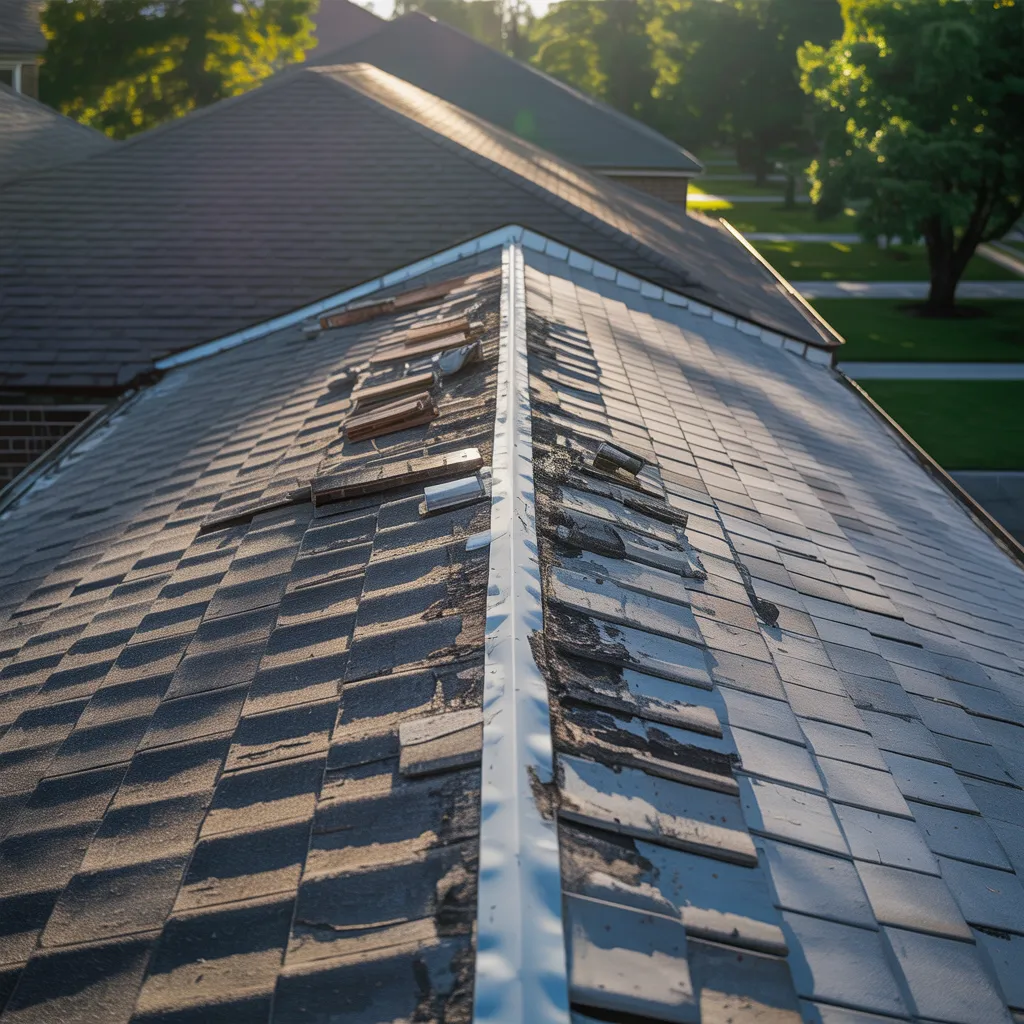
Exploring Various Roofing Materials
When selecting roofing materials, what factors should homeowners consider? A variety of options exist, each featuring unique traits, benefits, and limitations. Asphalt shingles remain a top choice due to their budget-friendly nature and simple installation process, rendering them a go-to solution for a wide range of residential applications. Metal roofing, known for its durability and energy efficiency, appeals to those seeking longevity and reduced cooling costs. Clay and concrete tiles offer aesthetic appeal and can withstand various weather conditions, however they are generally heavier and costlier. Wood shakes offer organic visual appeal but necessitate routine care to guard against rot. Homeowners must also consider local climate, architectural style, and budget constraints. At the end of the day, the decision regarding roofing material should correspond with personal desires and real-world necessities, achieving a harmony between performance and aesthetic quality while boosting the home's total worth.
How to Evaluate Durability and Longevity
Assessing longevity and resilience in roofing materials is critical for homeowners seeking to make an informed decision. To evaluate these factors, one should examine the material's resistance to weather elements such as wind, rain, and hail. For instance, metal roofs frequently surpass asphalt shingles regarding longevity, commonly enduring over 50 years with proper maintenance.
Another important consideration is the manufacturer's guarantee, which can shed light on anticipated longevity and resilience. It is also important for homeowners to consider the surrounding environmental conditions, as some materials tend to perform more effectively in particular settings. For example, clay tiles hold up well against intense heat and cold, positioning them as an excellent option for regions with higher temperatures.
Furthermore, gathering specialist feedback and reviews can support the analysis of performance history. Ultimately, opting for materials that correspond with both area-specific needs and personal choices delivers a resilient roofing solution that defends homes for the foreseeable future.
Cost vs. Value in Roofing
Comprehending the connection between price and value in roofing materials is essential to making knowledgeable choices. House owners often deal with the predicament of weighing initial costs against long-term advantages. While cheaper materials may decrease preliminary expenditures, they may lack durability and demand more frequent substitutions, consequently elevating overall expenditures. In contrast, investing in higher-quality materials can generate substantial savings in the long run through improved durability and lower upkeep requirements.
Worth also includes considerations such as aesthetic appeal and energy efficiency. Better-insulated roofs can reduce energy costs, offering a return on investment that exceeds the initial expenditure. Furthermore, a visually appealing roof can enhance a home's market value. Therefore, evaluating roofing options should not solely focus on price but should also consider the long-term benefits and potential savings. At the end of the day, a thoughtful assessment of cost versus value will lead to more satisfactory roofing choices.
Choosing the Right Roofing Style for Your Home's Architecture
What steps can homeowners take to ensure their roofing style matches their home's architecture? Choosing the appropriate roofing style is essential for creating visual harmony and improving curb appeal. Homeowners must start by assessing their home's overall architectural design. For instance, a modern home often pairs well with flat or low-slope roofs, while traditional styles like Colonial or Victorian benefit from gable or hip roofs.
In addition, the surrounding area plays a crucial role. Properties near the coast might select materials capable of withstanding salt and moisture, while those in colder climates may demand roofs designed to shed snow effectively. Color coordination is also critical; a roof should coordinate with the exterior palette to create a cohesive look. Working with architectural specialists or consultants can yield important perspectives, guaranteeing that the chosen roofing style not only suits personal aesthetic choices but also maintains the architectural authenticity of the residence.
Upkeep Advice for Your Preferred Roofing Material
Regular upkeep of roof components is critical for maximizing their longevity and ensuring peak performance. Homeowners should carry out periodic evaluations, preferably two times annually, to identify potential issues such as damaged shingles or debris accumulation. Cleaning drainage channels and downpipes avoids water-related damage and supports effective drainage. For asphalt-based roofing, ensuring proper airflow can mitigate heat buildup, which may lead to material degradation. Metallic roof structures need routine inspections for rust or loose fasteners, while tiled roof systems should be assessed for cracked tiles.
In addition, keeping trees trimmed away from the roof helps prevent falling branches and curtails moss or algae growth. If needed, swift repairs should be performed to keep minor issues from escalating. Ultimately, consulting a professional for routine maintenance or inspection can supply expert advice and verify that the roofing material is maintained in optimal condition, enhancing the home's overall value and safety.
Answers to Your Most Common Questions
What Environmental Effects Do Various Roofing Materials Have?
Different roofing materials have varying environmental impacts. Asphalt shingles contribute to landfill waste, while metal roofs are recyclable. Green roofs offer insulation benefits, but their installation can be resource-intensive, emphasizing the necessity of making Premier Roofing & Exteriors well-informed choices.
In What Ways Do Weather Conditions Affect Roofing Material Performance?
Environmental weather factors greatly affect roofing material performance. Extreme temperatures can cause expansion or contraction, and significant rain or snow accumulation can produce leaks. High winds are capable of lifting or damaging materials, reducing their durability and functional effectiveness with time.
Can New Roofing Be Installed Over Existing Materials?
That's correct, roofing installations can be completed over existing materials, so long as the structure remains sound and local codes are in compliance. This process can be beneficial in cutting time and expenditures, but proper assessment is essential to guarantee durability.
What Are the Common Warranties Available for Roofing Materials?
Common warranties for roofing materials include manufacturer-provided warranties, usually covering material defects for periods ranging from 20 to 50 years, and installation warranties, covering periods of one to ten years, based on the contractor selected, providing assurance of proper installation and optimal material performance.
How to Find a Dependable Roofing Contractor
To select a dependable roofing contractor, homeowners should look into reviews, verify licenses and insurance, request detailed estimates, and maintain clear communication. Personal referrals and reviewing previous work can further build confidence in the contractor's expertise.